The three doors, and who each is for
For a family member who uses a phone easily, and gets a padala from you every month, the answer is nearly always GCash, or Maya. The money arrives in seconds, they can spend it straight from the wallet, and there is no fee on their side to receive it. This is now the default in most Filipino families under fifty, and the reason so many UK apps are quietly competing on which one pays into GCash cleanest.
For a larger, less frequent send, or a family member who prefers to keep the money in a bank, use a Philippine bank account: BDO, BPI, UnionBank, Metrobank. The money still arrives in minutes if it goes through InstaPay, the network the Philippine banks use for small, real-time transfers. Larger sends, or sends late on a Friday evening UK time, may route through PesoNet instead, which is a slower system that only settles on banking days. When that happens the app will still tell you the money has been sent. The family member will not see it until Monday afternoon their time.
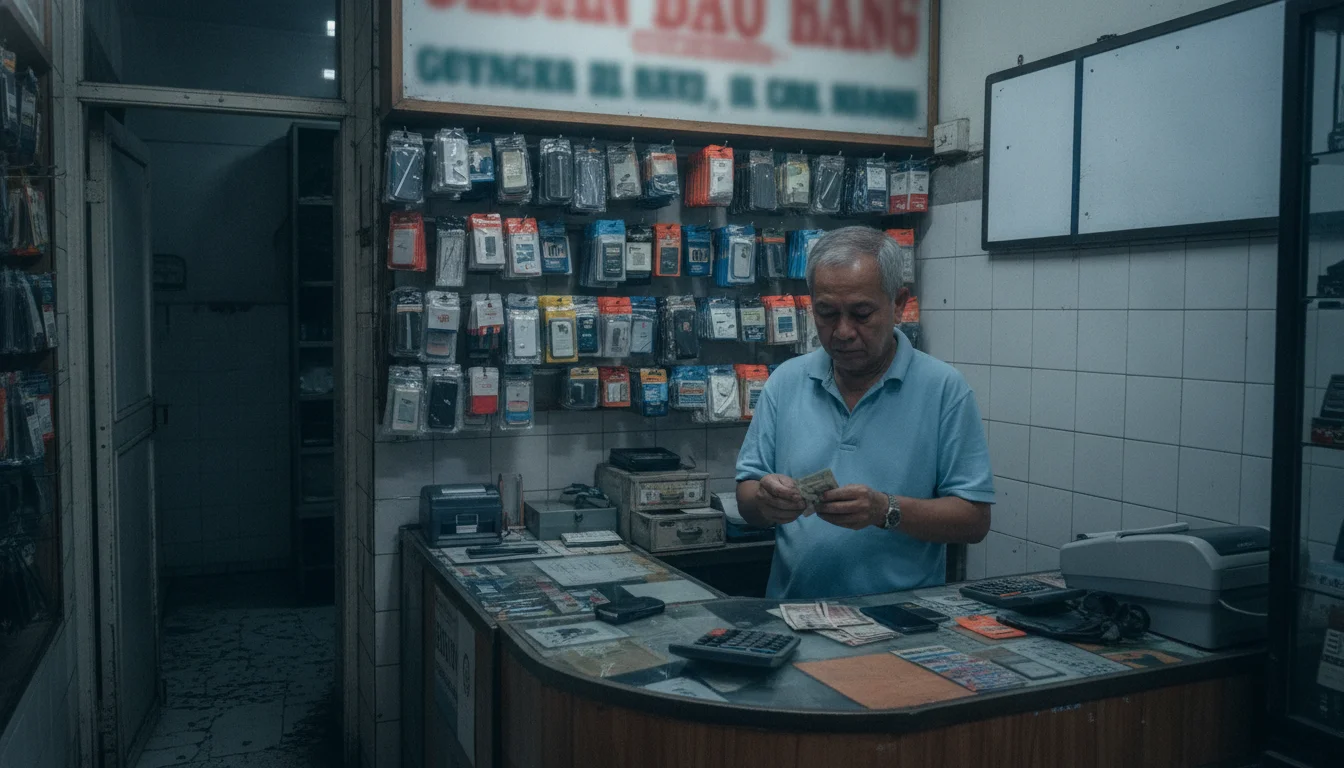
For a parent in a province, or an older relative who does not use a smartphone bank, cash pickup still works and still matters. Palawan Express, Cebuana Lhuillier and MLhuillier have counters in almost every town. Western Union and MoneyGram partner with the same networks. The money is ready in minutes, and the recipient walks in with an ID.
Which app to open, and for which door
Sending £150 to £500 to a family member who uses GCash or Maya
Use Wise. Its rate is close to the average market rate, its fee on a £200 send this week is small and shows clearly on the screen, and the money arrives in the wallet in seconds. If you have never used Remitly, the first-transfer promotion is usually the best delivered amount for the first £1,000 you send, because they price it at a level no regulated app can sustain forever. Take the promotion; check again for the second send. After the promotion ends, Remitly prices like the others.
Sending to a BDO, BPI, UnionBank or Metrobank account
Wise is the safer default. Its fee on a £200 send this week is £1.59 all in, and the rate on the screen is the real exchange rate. WorldRemit is a fine alternative and often faster for larger sends, though its fee is not shown until you enter the amount. Whichever you pick, type the recipient's full legal name exactly as the bank has it, including middle names. A name mismatch on a Philippine bank transfer holds the money in limbo for two to three working days at best.
Sending cash to a Palawan, Cebuana or MLhuillier counter
WorldRemit and Remitly both pair cleanly with these networks. For an older relative in a province, this is often the answer. Western Union and MoneyGram still work and their retail counters are everywhere, but their fees on this route are higher, and the difference is hidden inside the exchange rate they quote. If your recipient is comfortable at any of the three Philippine networks and does not need a brand-name Western Union office, use WorldRemit or Remitly and save the fee.
What to avoid: your UK bank
Do not use your UK bank, especially on a smaller send. On a £200 send to the Philippines this week, Santander takes a visible £25 fee on the slip and loses another ~£5 inside the exchange rate, roughly £30 all in. Nationwide shows a £15 fee on the slip and loses another £5 inside the rate on top. Barclays and HSBC have narrowed on this route, so the hidden cost on £200 is now closer to £4 or £5, but the markup is still inside the rate they give you, and the slip reads nothing.
On the same send, Wise takes £1.59 all in and uses the real exchange rate. If your bank is the only account you have, move £200 into Wise, Remitly or WorldRemit once and send from there.
The one catch nobody mentions
If your family in the Philippines receives money from more than one place, the GCash wallet has a monthly ceiling that quietly aggregates every incoming padala, from every sender, from every source.
A verified GCash account, the default state of most family wallets, can receive up to 100,000 pesos in a month. That is about £1,200 at the rate this week. It sounds like a lot. It stops feeling like a lot the moment you learn that the same ceiling counts your sister's send from Dubai, your uncle's send from the US, and any cash top-up done at a Palawan counter. All of it goes into the same monthly limit. Split a single big send across two UK apps and it does not help. GCash counts it once.
The fix is free and takes about ten minutes. Link the family's GCash wallet to a UnionBank or BPI account through the app, which raises the ceiling to 500,000 pesos a month, or about £6,000. That change alone stops the most common quiet failure on this route, and it is nowhere in the app you are sending from, so the sender never sees it coming.
The July 2026 change worth knowing
On 1 July 2026, the Philippine banking regulator's new rules on transfer fees took effect. BPI made person-to-person transfers over InstaPay and PesoNet permanently free from that date. GCash and Maya both cut their InstaPay fee from 15 pesos to 10 pesos in the first week of July.
These are small numbers on any single move. They matter for the family who prefers to hold their money in a bank and not in a wallet. Until this month the fee to move the padala from GCash to BDO or BPI was small but real, and enough for many families to leave the money in the wallet by default. From July the cost of moving it out is close to zero. If your family prefers the bank, they can now move the money there for nothing.
Two smaller catches
Name mismatch on BDO or BPI
Philippine banks match the name on the incoming transfer against the name on the account, and the check is strict. Your mother's account may be in the name Coronacion Dela Cruz vda. de Reyes, even if everyone calls her Nanay Cora. Send in her legal name, exactly as the bank has it. If a send bounces on a name mismatch, the fix is a notarised paper called an affidavit of one and the same person, plus IDs, in front of the bank. It works, but it takes a week.
Friday evening sends to a bank account
If you tap send on a Friday evening UK time, and the send routes through PesoNet instead of InstaPay, the family will not see the money until Monday afternoon in Manila. The UK app does not tell you which network it used. To sidestep this, send to GCash or Maya on a Friday, and let the family member move it into the bank on the Monday if they want to. That way the money is in hand before the weekend, whichever route the app chose.
What to do this month
For £150 to £500 to a family member on GCash or Maya, open Wise, or Remitly if you have never used it before. Send to the same recipient you always send to, and send earlier in the week if you can.
For a bank-account send to BDO, BPI, UnionBank or Metrobank, Wise on a weekday morning is the safest choice. Type the recipient's full legal name.
For a relative who prefers cash in hand, use WorldRemit or Remitly to a Palawan, Cebuana or MLhuillier counter close to where they live. Make sure the name on their photo ID matches the name on the send.
Before your next send, ask the family member on GCash to check what wallet ceiling they are on. If it is the 100,000 peso tier, ask them to link the wallet to a UnionBank or BPI account. That one small step clears the biggest quiet reason a good send stops arriving in 2026.
Rates and fees quoted here are current as of Monday 12 October 2026.
Corrections
- 2026-10-12: An earlier version of this page said Santander "quietly keeps around £30 of your money in a worse exchange rate and calls the transfer free" on a £200 send to the Philippines. Santander charges a visible £25 fee on the slip for an electronic international transfer, plus a ~2.83% markup inside the exchange rate; the ~£30 figure is right but the fee is on the slip, not hidden in the rate. The sentence has been rewritten to show the £25 fee and the ~£5 rate loss as separate costs.